
Trees and Shrubs
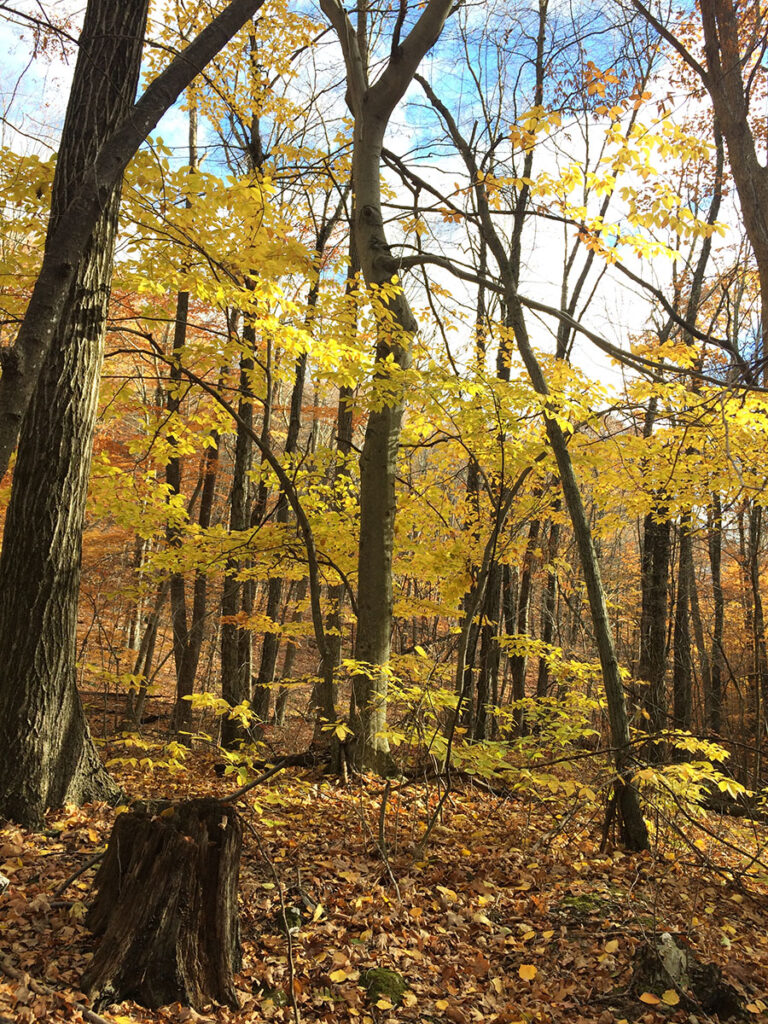
Native trees and shrubs are vital to the health of landscape. They provide essential habitat for wildlife including birds, insects, and mammals. Oak trees, for example, support close to 900 caterpillar species, while the nonnative Ginko supports only five. They also clean our air, help with storm runoff, absorb CO2, and cool us down by offering shade. Plus, they just make us feel good. As arborist Christopher Roddick says, “Plant trees, mostly natives—and save as many old ones as you can.” Grow some today.
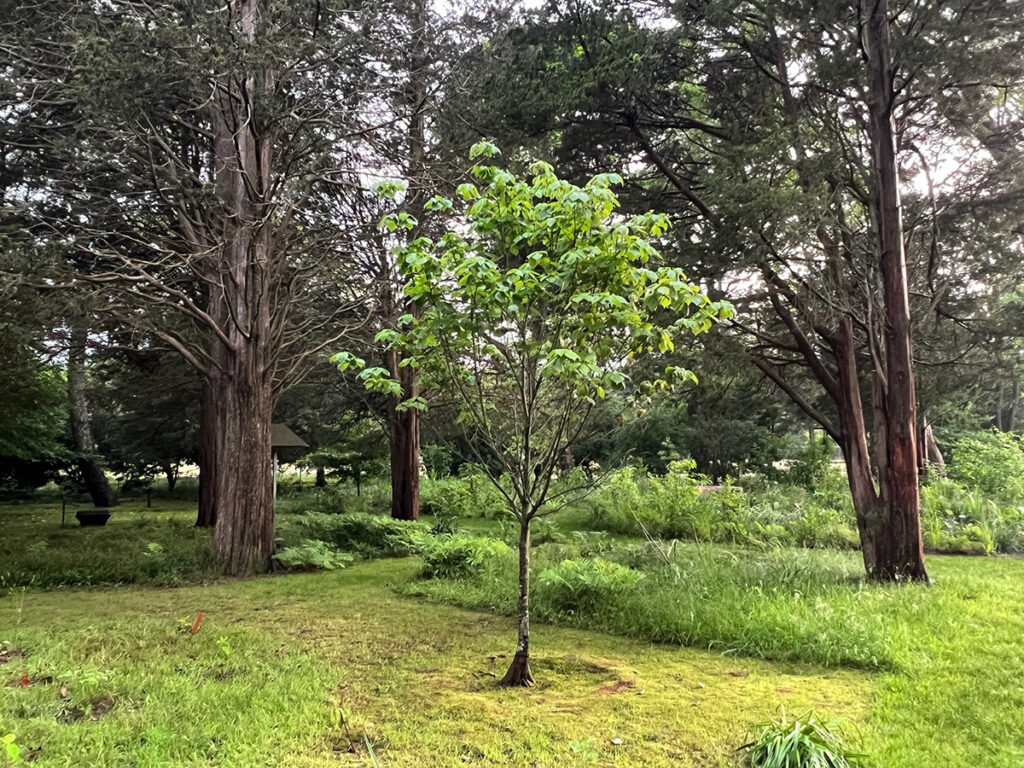
Plant a native tree.
When possible, opt first for bare root or container-grown trees. They still have their roots intact, unlike balled-and-burlapped ones, which lose a good portion of their roots when they’re dug up from the ground.
To plant a tree properly, locate the root flare, or the spot where the trunk widens at the base and roots begin. If you can’t see it, remove the soil to uncover it. In general, it’s a good idea to gently remove any excess soil or potting mix from the roots of a container-grown tree before putting it into the ground so the tree will acclimate to its new environment.
Dig a hole that is approximately the depth of the roots or container. It’s always better to plant a bit high than too low. When you cover the base of the tree with an excess of soil or mulch (the dreaded tree volcano), you start to deprive the tree of oxygen, which causes stress. Discard any container, wire basket, treated burlap, and plastic twine.
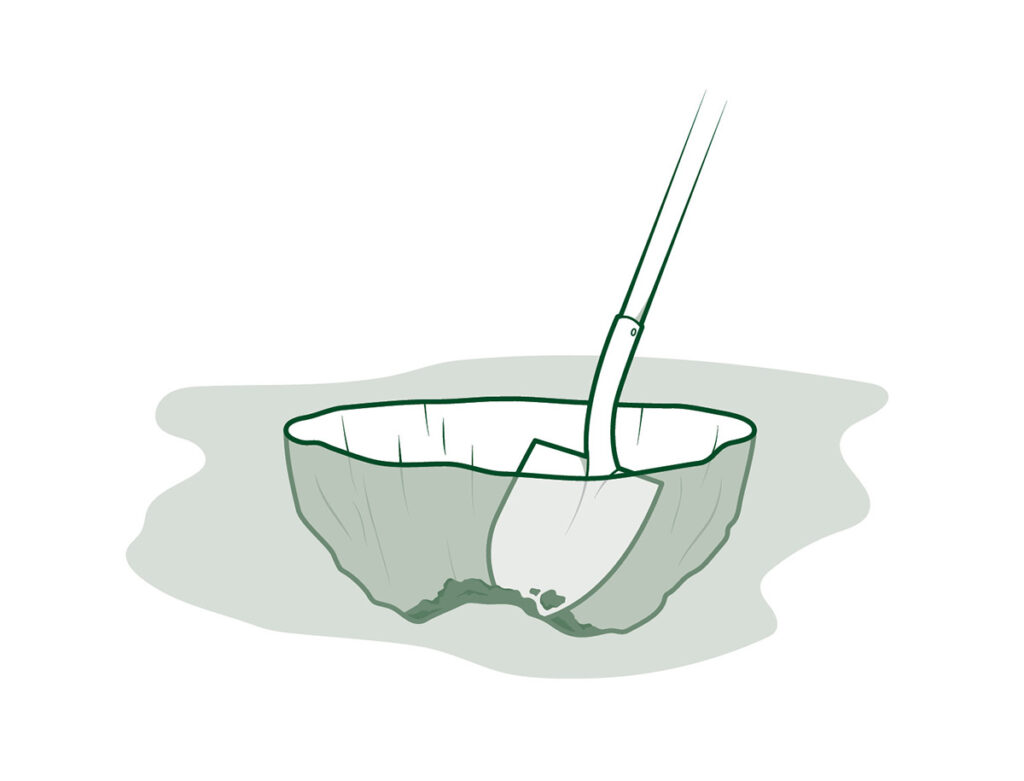
Dig a hole.
After giving the roots a thorough soak, dig a wide hole (wider than you need to loosen the soil) that’s deep enough for the root flare to sit slightly above the ground level.
Look at the roots. If they look tightly wound or are girdling (encircling) the trunk or root ball, open them up gently by spreading them with your hands or cutting tightly wound roots with a sharp blade (like a pruner) when necessary, being careful not to damage the trunk or other roots. This helps release the roots so that they can spread out into the surrounding soil.
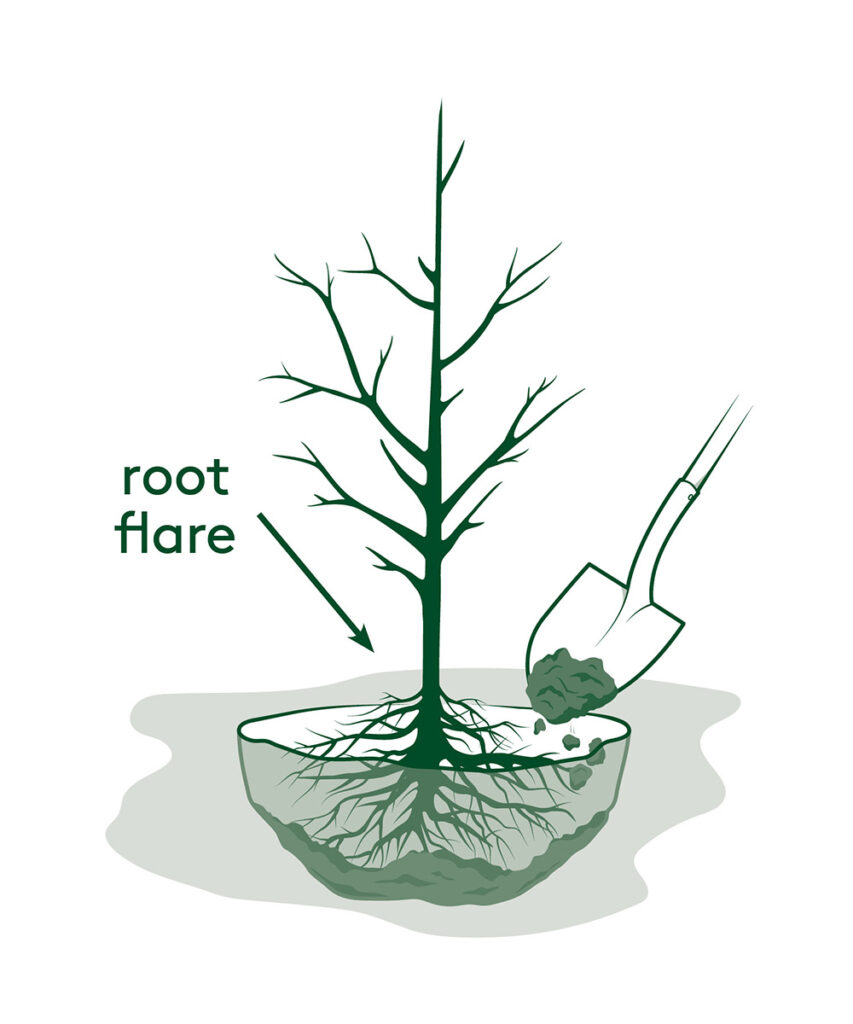
Place the tree.
Position the tree and begin back filling with the soil you dug out for the hole.
Tamp down lightly to remove air pockets. Do not add any fertilizers or
compost.
Place the tree in the planting hole so that the root flare is visible above the soil level. Backfill with soil up to the root flare and tamp down gently with the handle of a shovel to remove large pockets of air. Continue back filling. (You can also water as you fill in soil to prevent air pockets from forming.) Water until it starts to pool around the tree. Then wait, let it settle, before starting to water again. You can also use a reusable, slow-release watering bag after you plant, which will irrigate the tree slowly over time. Learn more about watering your trees.
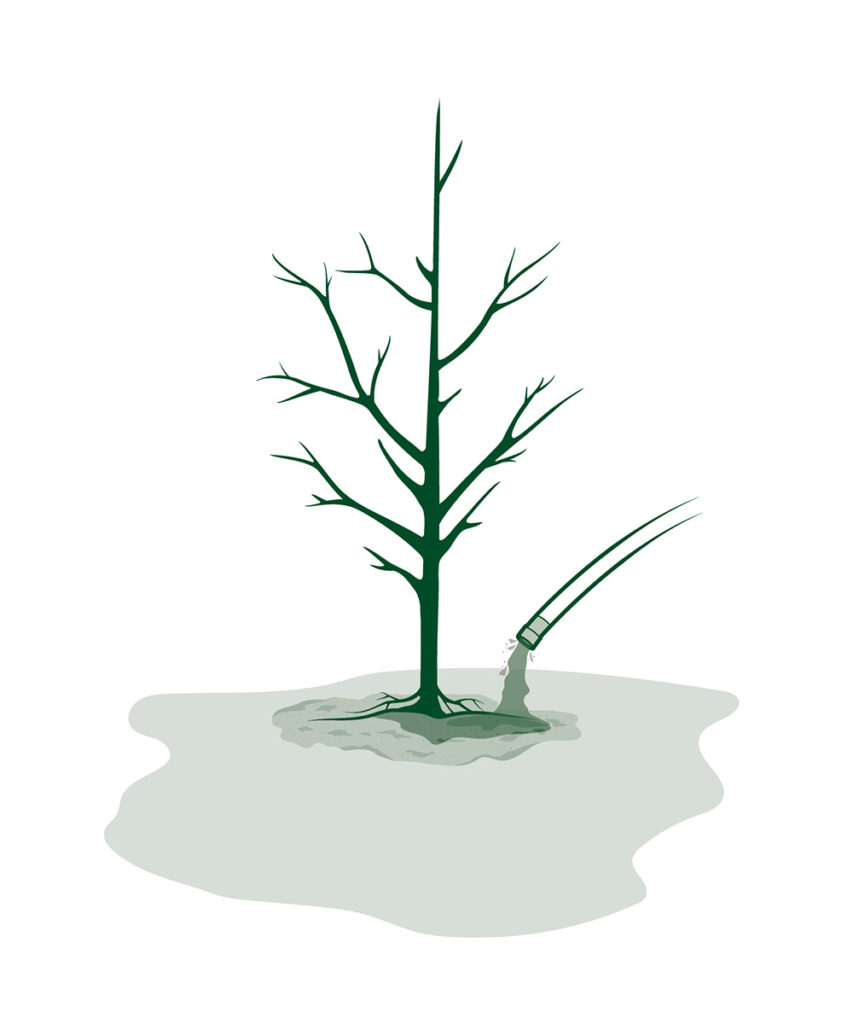
Water.
Give your tree a thorough drink.
During that first year after planting or in times of drought, it’s helpful to water your new tree. Not every tree has the same needs. Before you turn on the hose, learn about your tree variety, the size of your tree, the type of soil you have, and your weather conditions. Mulch (like composted leaves or wood chips from your property) can help retain moisture. Spread a two-inch layer to the tree’s canopy line, taking care not to pile it up around the trunk or root flare, which will harm it.
Avoid the dreaded tree volcano. Mulch piled high up a tree’s trunk will starve its roots of oxygen, weakening the tree over time.
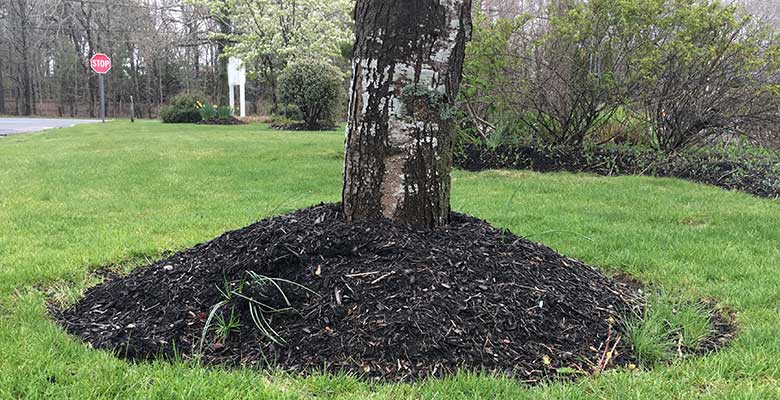
Or better yet, grow a living mulch (aka a soft landing) around the tree by planting native seeds or plugs beneath the tree’s drip line. It is easy to spot trees that are planted too deep: the trunk goes straight into the ground like a post, instead of flaring gently. Also, trees that are planted too deep often show signs of stress, such as vertical cracking in the bark and excessive suckers or tangled, upright growth on trunks and limbs. Some of these trees will never grow well; others will grow at first, but may eventually decline from girdling root damage and blow over in storms.
Create Thickets and Hedges.
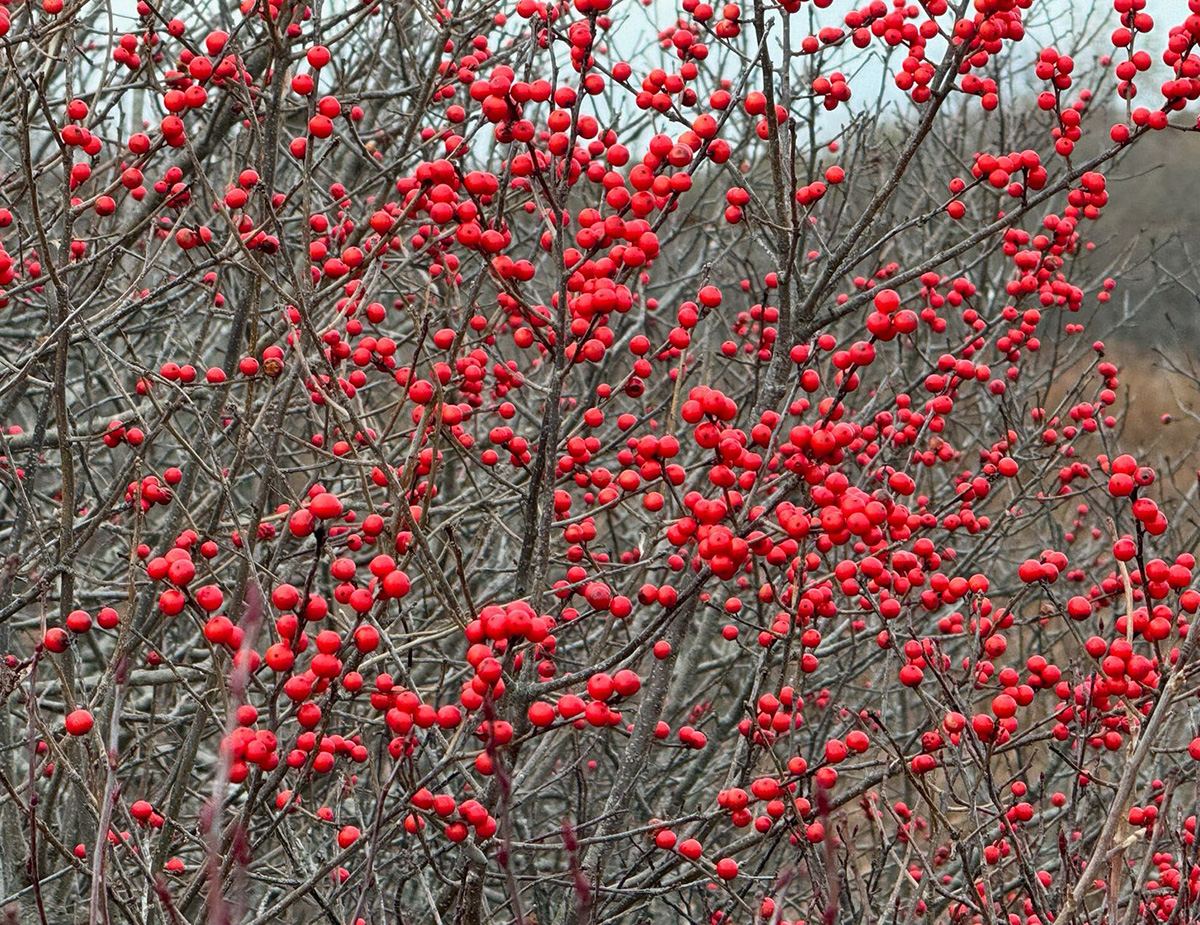
Clusters of native shrubs or hedges provide excellent habitat for wildlife. To create one, plant a mix of different native shrubs closely so they knit together as they grow. Thickets offer shelter to small animals from predators like hawks and larger mammals. Native fruiting varieties, like blueberry and winterberry, also provide food. Learn more about how to grow them and see different examples here. And also check out Aspetuck Land Trust’s suggestions for native hedgerow plans for different conditions here.
Prune Prudently. Every Cut is a Wound.
Leave dead wood in your trees and shrubs. It provides a unique habitat for insects to hibernate and breed which supports birds.
Every time you shear a hedge, chop back a shrub, or strip a tree of its interior growth, you are creating wounds. Each wound opens the plant to the possibility of pest invasion and fungal infection. Each wound needs to heal, which drains a plant’s energy. Yes, it is okay to remove crossing or rubbing branches and odd, straggly growth, but overall, it’s best to give plants, trees, and shrubs enough room to grow to their full sizes and natural shapes, and then let them be. Listen to arborist Chris Roddick talk about best pruning practices on the Growing Greener podcast.
Leave Snags.
Standing dead trees, known as snags, provide homes for cavity-nesting birds, convenient insect meals, and year-round entertainment for humans. If a dead tree is too close to a house or if it poses a safety hazard, cut off most of the limbs and leave the trunk for the birds and other wildlife. Read more here.
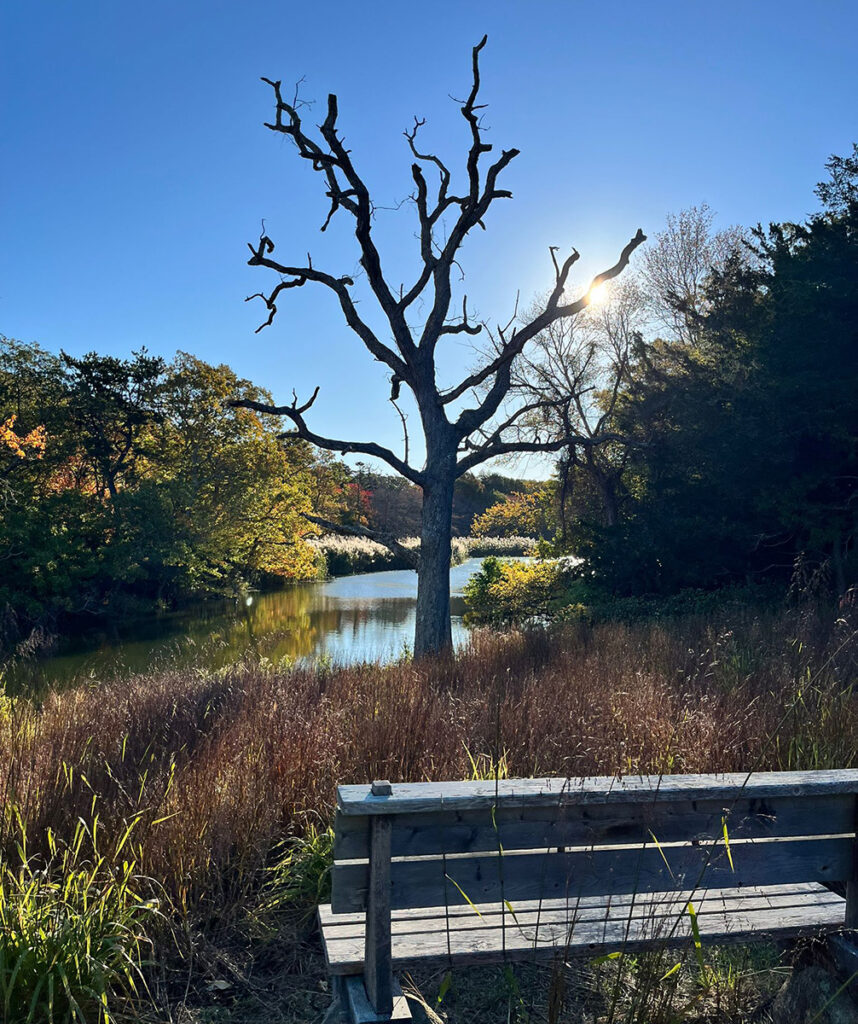
A tree snag at the Georgica Pond Preserve supports birds of prey and other wildlife.